

how to secure my crypto wallet, crypto wallet security, how to keep crypto safe, crypto wallet security best practices, how to secure your crypto wallet
Crypto Wallet Security
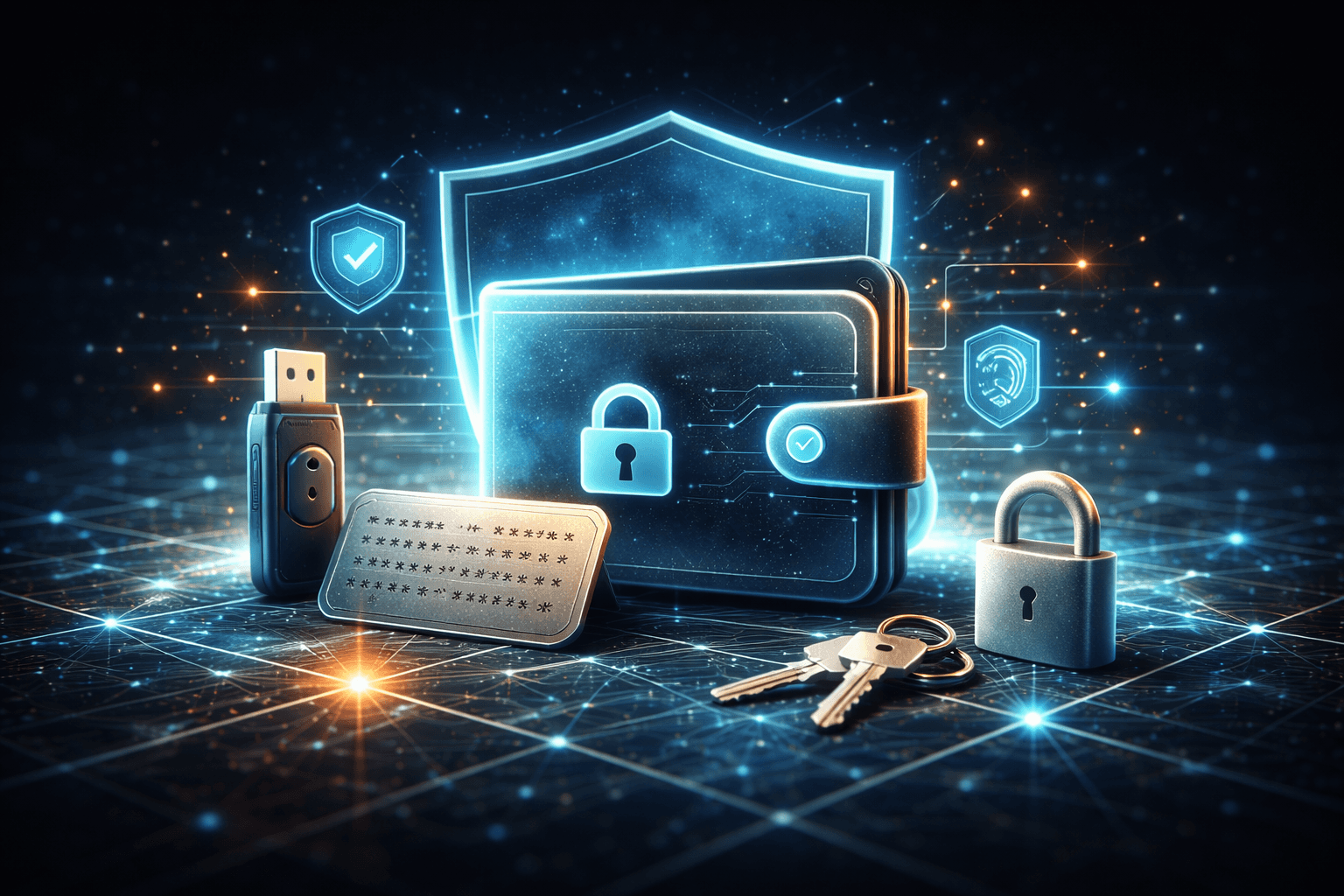
Crypto Wallet Security: How to Protect Your Digital Assets
Crypto wallet security is the set of practices and protections that keep your wallet (and the private keys it contains) safe from theft, scams, malware, and mistakes. This matters because crypto transactions are typically irreversible. If someone gets your keys or you lose access to them, there’s usually no fraud department or chargeback process to save you.
While user behavior plays a major role in security, wallet design matters too. Clear prompts, thoughtful permissions, and better recovery options can reduce risk before mistakes happen.
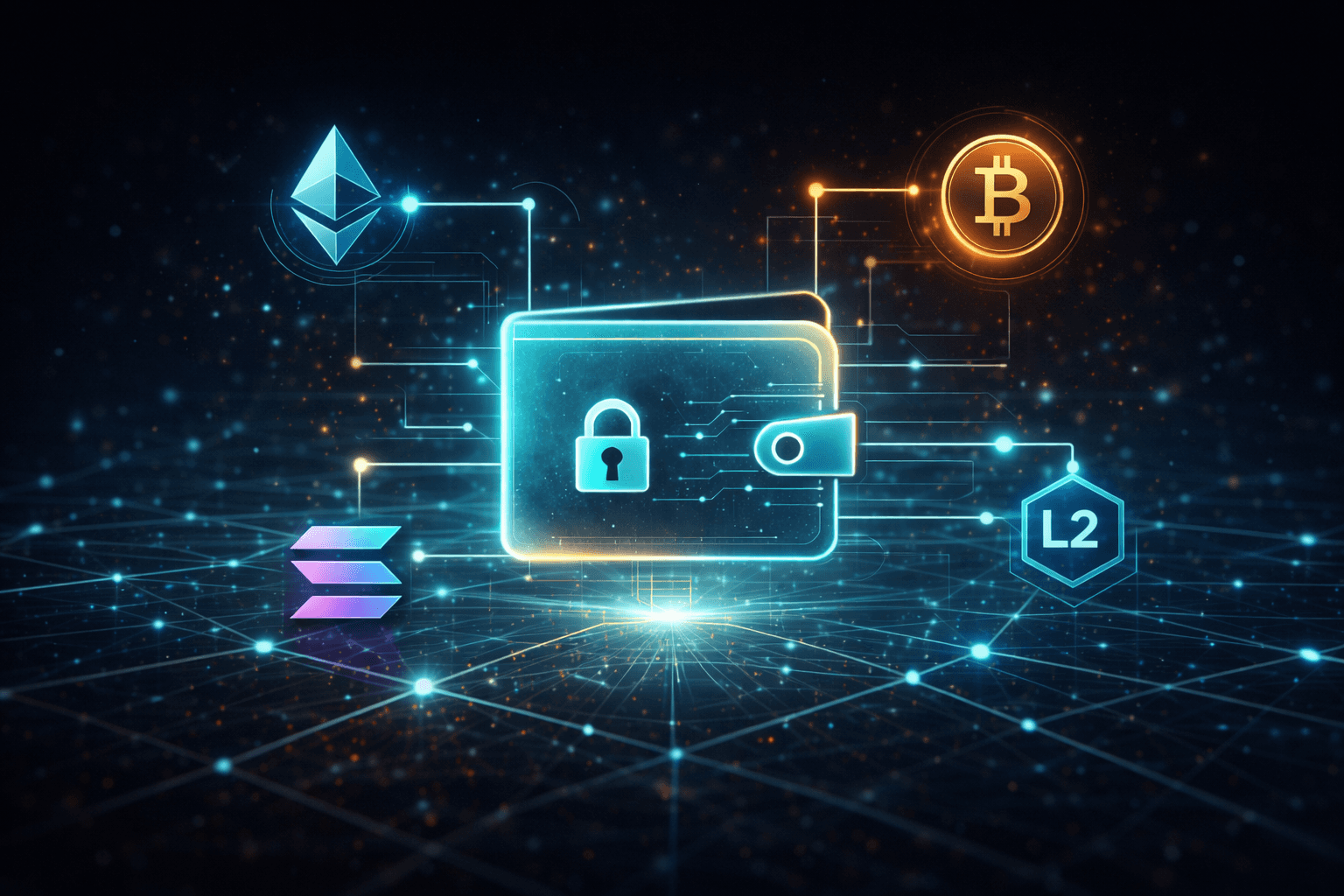
A crypto wallet can be a mobile app, a desktop app, a browser wallet, an exchange account, or a hardware device. No matter the format, the core security principle is the same:
Control of the private key = control of the crypto.
This guide breaks down wallet types, security fundamentals, common threats, and the best practices that actually reduce risk.
Key Takeaways
Crypto wallets store keys, not the crypto itself (assets live on the blockchain).
The biggest risks are often phishing, malware, fake apps/extensions, and user error.
Your seed phrase is both your best recovery tool and a single point of failure if exposed.
The safest setup usually combines strong authentication, careful key storage, and layered wallets.
Security is a tradeoff: the “best” setup depends on how often you transact and how much you hold.
What Is Crypto Wallet Security?
Crypto is stored as records on a blockchain. A wallet stores the public address (where assets are received) and the private key (what authorizes sending/transactions). Wallet security focuses on preventing:
Unauthorized access to keys
Exposure of seed phrases or backups
Malicious approvals (e.g., signing a bad transaction)
Loss of keys through device failure, theft, or accidents
If your wallet is compromised, the attacker doesn’t “hack the blockchain.” They usually get you through phishing or social engineering, compromise your device with malware, or exploit weak access controls.
Types of Crypto Wallets and Their Security Implications
Different wallet types have different attack surfaces. You don’t need to memorize everything. You just need to understand where the risks concentrate.
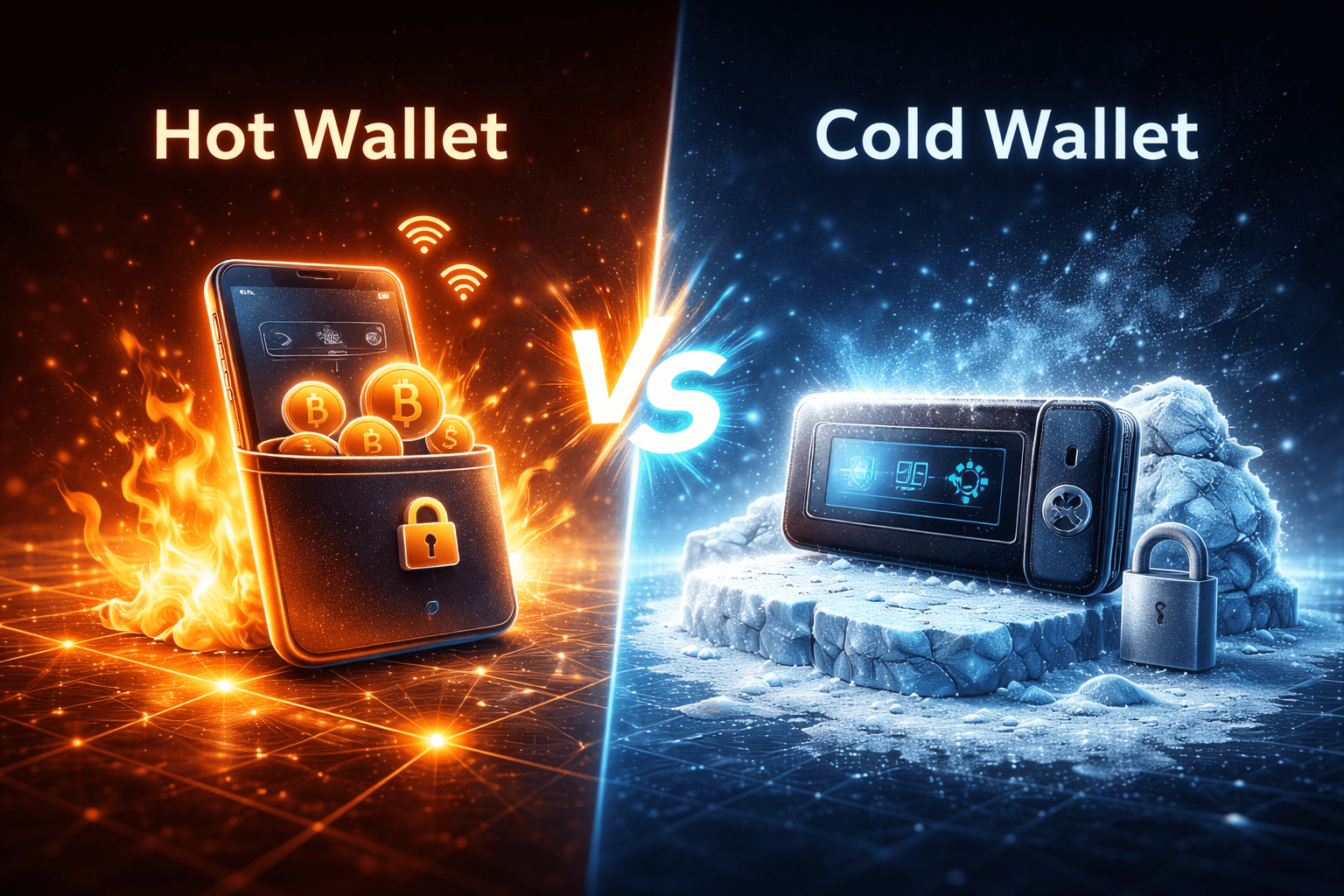
Hot Wallets vs Cold Wallets
Hot wallets are connected to the internet (mobile, desktop, browser, exchange). They’re convenient but exposed to online threats like phishing and malware.
Cold wallets keep keys offline (hardware wallets, paper wallets, deep cold storage). They reduce online risk but introduce physical risks (loss, theft, damage) and require more steps to transact.
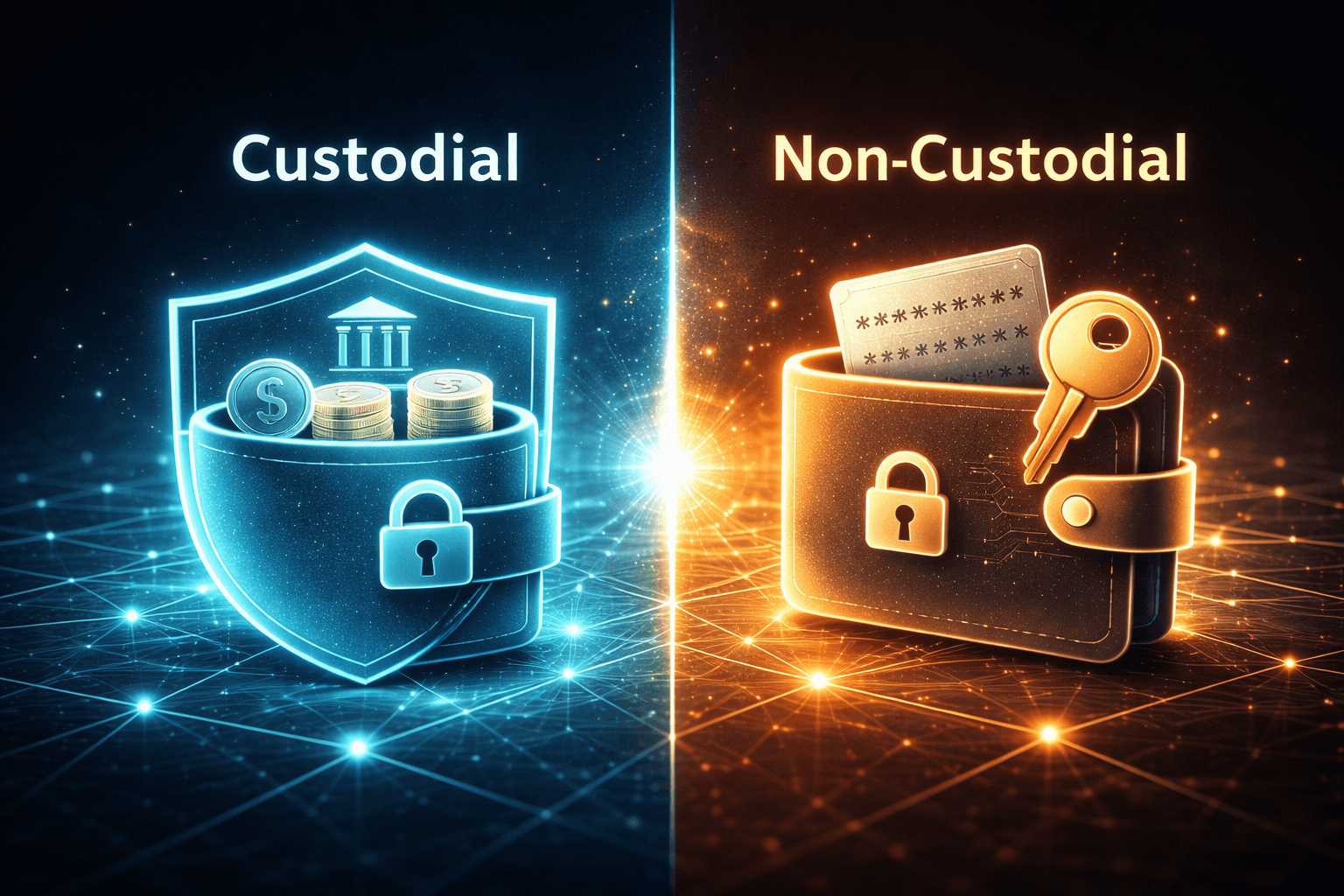
Custodial vs Non-Custodial Wallets
Custodial wallets: A third party (often an exchange) controls keys and security. Convenience is high, but you take on third-party risk (platform hacks, insolvency, or withdrawal restrictions).
Non-custodial (self-custody): You control the keys. Security can be higher, but responsibility is fully yours. Backup and recovery become critical.
Hardware, Software, and Mobile Wallets
Mobile wallets: convenient but vulnerable to mobile malware, phishing, and device theft. Strong device security + app-based MFA helps.
Desktop wallets: can leverage stronger endpoint security, but still vulnerable to keyloggers, malware, and insecure downloads.
Web/browser wallets: high convenience, higher risk. Phishing and malicious extensions are common attack routes.
Hardware wallets: keys stay offline in a secure element/secure chip, reducing remote theft risk; still vulnerable to physical theft, supply-chain risks, and user mistakes during setup.
Core Security Components of Crypto Wallets
Private Keys and Seed Phrases
A private key is the cryptographic secret that authorizes transactions.
A seed phrase (often 12–24 words) is a human-readable master backup that can regenerate keys for a wallet.
Rule: Anyone with your seed phrase can control your funds. Treat it like the master key to everything.
Authentication and Access Controls
Strong access control reduces “easy wins” for attackers:
Unique, long passwords (ideally generated/stored in a password manager)
App-based 2FA (stronger than SMS)
Hardware security keys where supported
Biometrics (helpful, but don’t rely on it alone)
Backup and Recovery Mechanisms
Backups prevent loss due to:
Broken phones/laptops
Lost hardware wallets
Accidental deletion
Best backups are typically offline and protected (paper/metal stored securely; encrypted offline backups when needed).
Multi-Signature and Advanced Authorization
Multi-signature (multisig) requires multiple approvals/keys to move funds. This reduces single-point-of-failure risk.
For organizations, advanced schemes like MPC exist, but even individuals can benefit from multisig or multi-device approval workflows depending on the chain/wallet.
Common Threats to Crypto Wallet Security
Phishing and Social Engineering Attacks
This is the most common failure mode: fake sites, fake support accounts, fake wallet prompts, “urgent” messages, and malicious QR codes.
Mitigation
Verify domains carefully (bookmark official URLs)
Never share seed phrases or private keys (real support will not ask)
Use allowlists/approved addresses where possible
Double-check transaction prompts before signing
Malware and Keyloggers
Malware can steal clipboard contents, capture keystrokes, or scrape sensitive data from browser sessions.
Mitigation
Keep OS and wallet software updated
Use reputable anti-malware and avoid “cracked” software
Avoid installing random extensions
Use a dedicated device/profile for crypto when possible
Fake Wallet Apps and Browser Extensions
Lookalike apps/extensions are designed to steal credentials or replace receiving addresses.
Mitigation
Download only from official sources and verified publisher pages
Check reviews and publisher identity (not just star ratings)
Prefer well-known wallets with a long security track record
Man-in-the-Middle Attacks and Unsafe Networks
Public Wi-Fi and compromised networks can intercept traffic or redirect you to spoofed sites.
Mitigation
Avoid transacting on public Wi-Fi
Use HTTPS-only, and consider a VPN on untrusted networks
Be cautious with “wallet connect” prompts in unfamiliar places
Device Loss, Theft, and Physical Damage
Even cold storage can fail if backups aren’t handled correctly. A famous cautionary tale: people have lost fortunes by discarding or misplacing old drives or devices holding wallet keys.
Mitigation
Use device passcodes + encrypted storage
Keep offline backups in secure locations (consider redundant locations)
For cold storage, consider tamper-resistant storage (paper/metal, safe deposit boxes)
Best Practices for Crypto Wallet Security
Protect Your Seed Phrase
Store it offline
Do not save it in cloud notes, screenshots, or email drafts
Consider redundancy (multiple secure locations)
Advanced option: split storage across locations (only if you can manage complexity safely)
Use Strong Authentication
Use a password manager for unique credentials
Prefer authenticator apps over SMS
Consider hardware 2FA keys for exchange logins
Keep Software and Firmware Updated
Wallet apps, browsers, extensions, and hardware wallet firmware should be updated to patch vulnerabilities.
Verify Wallet Sources and URLs
Bookmark official wallet domains
Be suspicious of ads and “sponsored” search results
Confirm extension publisher and install counts
Limit Exposure
Don’t keep large balances on exchanges long-term
Keep only “spending/trading” amounts in hot wallets
Use cold storage for long-term holdings
Crypto Wallet Security by User Type
Active Traders
You’ll prioritize convenience, but you can still reduce risk:
Use strong passwords + app-based 2FA (or hardware 2FA)
Keep only necessary trading balances on platforms
Separate “trading wallet” from “vault wallet”
Semi-Active Users
A hybrid setup usually fits best:
Hot wallet for small operational amounts
Cold wallet for reserves
Offline seed phrase backup + at least one secure recovery path
Long-Term Holders
Security should dominate convenience:
Cold wallet storage for the majority of funds
Offline backups, ideally stored securely and redundantly
Consider multisig or multiple wallets if loss would be catastrophic
Advanced Crypto Wallet Security Strategies
Using Multiple Wallets
Separating funds reduces the blast radius:
“Daily” wallet (hot) for low balances
“Savings” wallet (cold) for long-term
Optional “burner” wallet for risky dApps/mints
Multi-Signature Wallets
Multisig reduces single-key failure by requiring multiple approvals. Common for teams, DAOs, and high-value storage; can also work for families or individuals with multiple devices.
Hardware Wallet Integration
For high-value self-custody, hardware wallets reduce the chance that malware can extract keys. Just remember: the device is only as safe as your setup process and seed phrase handling.
Role-Based Access and Separation of Duties
If you’re managing funds for an organization:
Role-based permissions
Approval workflows for withdrawals
Logging and monitoring for suspicious activity
Limits and allowlists for destinations
Emerging Trends in Crypto Wallet Security
Wallet security is improving, especially as mainstream usage grows. Key trends include:
Better transaction warnings and clearer signing prompts
Smarter risk detection (flagging suspicious addresses/requests)
More common use of threshold/multi-approval schemes (multisig/MPC in various forms)
Security hardening on mobile (more hardware-backed key storage and secure enclaves)
Even with better tooling, user behavior and backup hygiene still determine most outcomes.
Frequently Asked Questions
What is the safest type of crypto wallet?
For long-term storage, cold wallets (especially hardware wallets) are generally considered the safest against online threats. The safest overall setup often combines cold storage with good backup practices.
Can crypto wallets be hacked?
Yes. Most “hacks” involve phishing, malware, fake apps, or tricking users into signing malicious transactions. The wallet software may not be “broken,” but the user’s access is compromised.
How do I recover a compromised wallet?
If you suspect compromise:
Move funds to a new wallet (with a new seed phrase) as quickly as safely possible
Re-secure email and exchange accounts (password reset + 2FA)
Scan devices for malware and remove suspicious extensions/apps
If the seed phrase is exposed, assume the wallet is permanently unsafe.
Is hardware wallet security foolproof?
No. Hardware wallets reduce online theft risk, but you can still lose funds through seed phrase exposure, supply-chain tampering, poor setup, or physical loss without proper backups.
How often should I update my wallet security setup?
Any time you:
Install a new extension/app
Start using new dApps
Change devices
Increase your holdings meaningfully
Otherwise, do a periodic check (updates, backups, recovery plan) to avoid “set and forget” risk.
Final Thoughts on Crypto Wallet Security
Crypto wallet security is ultimately about reducing avoidable failure points: protecting keys, hardening access, avoiding scams, and planning recovery before something goes wrong. The “right” setup depends on how you use crypto, but most people benefit from a layered approach:
Hot wallet for day-to-day activity
Cold wallet for long-term storage
Offline seed phrase backups + strong authentication everywhere


Get updates in your inbox
Get exclusive insights, actionable strategies, and ideas delivered straight to your inbox.