

multi chain crypto wallet, multi chain wallet crypto, multichain crypto wallet, what is a multi chain crypto wallet, single chain and multi chain wallets
Multi-Chain Crypto Wallet
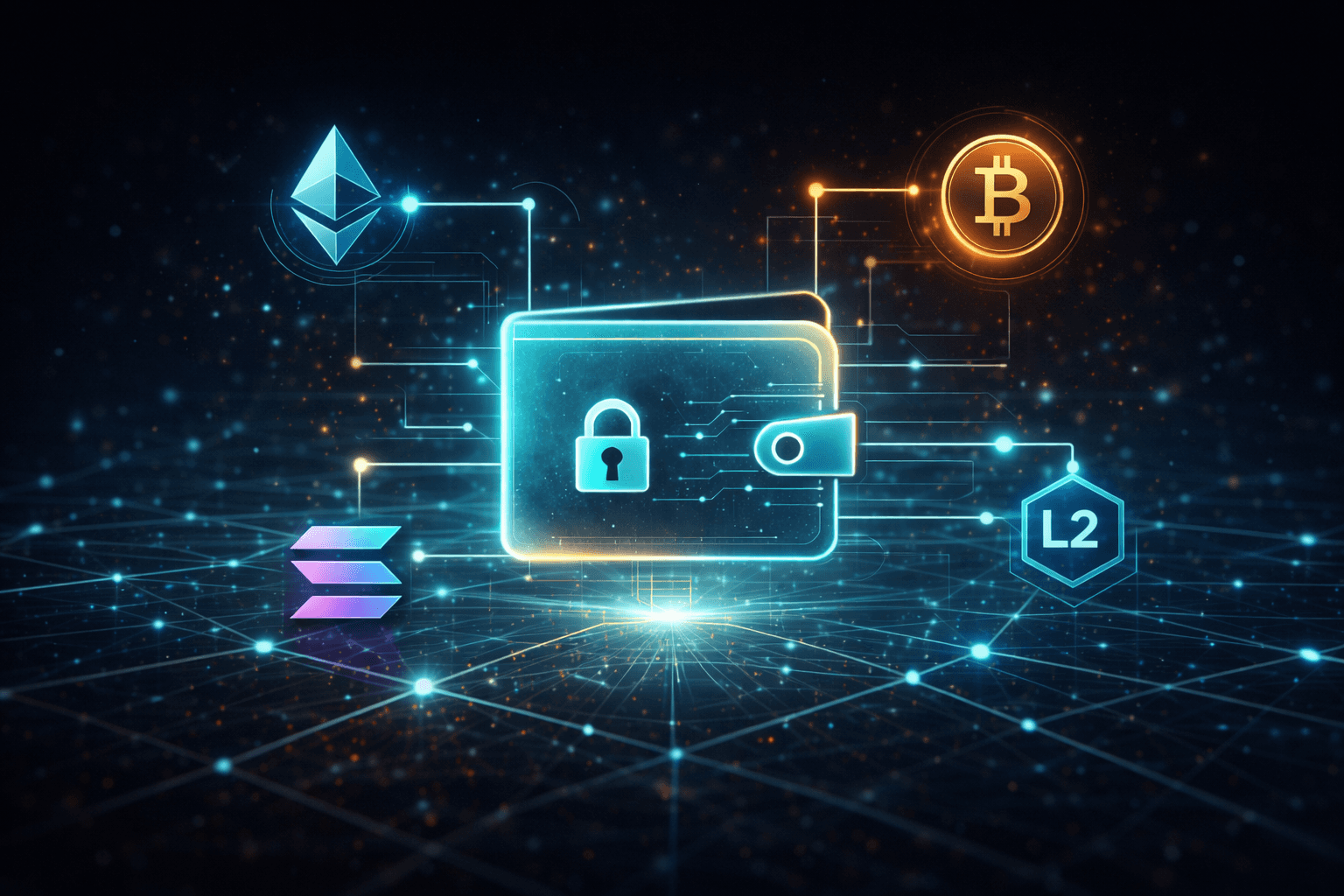
What Is a Multi-Chain Crypto Wallet?
A multi-chain crypto wallet is a type of wallet that allows users to store, send, receive, and manage digital assets across multiple blockchain networks from a single interface. Instead of using separate wallets for Bitcoin, Ethereum, Solana, or other networks, a multi-chain wallet brings everything together in one place.
As the crypto ecosystem continues to expand beyond a single dominant blockchain, multi-chain wallet crypto solutions have become essential tools for users who interact with more than one network. They simplify asset management, reduce friction, and make it easier to explore DeFi, NFTs, and new blockchains without switching apps.
Key Takeaways
A multi-chain crypto wallet supports multiple blockchains in one wallet
Users no longer need separate wallets for each network
Multi-chain wallets improve usability, interoperability, and asset visibility
They differ from single-chain wallets and cross-chain tools
Security depends on key management and good wallet practices
What Is a Multi-Chain Crypto Wallet?
It’s a wallet designed to work across many blockchains at once. While a traditional wallet may only support one ecosystem, a multichain crypto wallet allows users to manage assets on different networks, such as Bitcoin, Ethereum, Solana, and Layer 2 chains, within a single application.
Instead of juggling multiple seed phrases, addresses, and interfaces, users get a unified experience that reduces complexity and improves control.
Why Multi-Chain Wallets Matter
The crypto landscape is no longer single-chain.
Today, users commonly:
Hold assets on multiple networks
Use different blockchains for DeFi, NFTs, gaming, or payments
Experiment with new Layer 1s and Layer 2s
Managing assets across multiple wallets increases both friction and the chance of mistakes. Multi-chain wallets aim to reduce that surface area by bringing everything into one place. Without a multi-chain wallet, this often means managing several apps and seed phrases, which introduces friction and increases the risk of mistakes.
A multi-chain crypto wallet solves this problem by offering:
One interface for multiple blockchains
Easier navigation between ecosystems
Better visibility into total portfolio holdings
As blockchain adoption grows, multi-chain support is quickly becoming the default expectation rather than a premium feature.
How a Multi-Chain Crypto Wallet Works
Behind the scenes, multi-chain wallets manage the complexity of different blockchains while presenting a simple user experience.
Private Key and Seed Phrase Management
Most multi-chain wallets generate a single seed phrase that can derive addresses across multiple blockchains. This allows users to maintain self-custody while avoiding the need to manage separate keys for each network.
Network Detection and Transaction Routing
When a user interacts with a token, address, or decentralized application, the wallet automatically detects the correct blockchain and routes the transaction to the appropriate network.
This abstraction removes the need for users to manually configure networks for every action.
Chain-Specific Logic
Each blockchain operates differently:
Ethereum and EVM chains rely heavily on smart contracts
Solana uses token accounts
Bitcoin uses a UTXO model
A multi-chain wallet handles these differences internally so users can interact with multiple chains through one consistent interface.
Unified Asset Management
Balances, NFTs, and transaction histories from all supported blockchains are aggregated into a single dashboard, giving users a clear view of their entire crypto portfolio.
Key Features of a Multi-Chain Crypto Wallet
Support for Multiple Blockchains
A strong multi-chain wallet supports a wide range of networks, often including:
Major Layer 1 blockchains
EVM-compatible chains
Layer 2 scaling solutions
Emerging ecosystems
dApp and DeFi Connectivity Across Chains
Multi-chain wallets typically integrate with decentralized applications, allowing users to interact with DeFi protocols, NFT marketplaces, and on-chain games across different networks.
Self-Custody and Security Controls
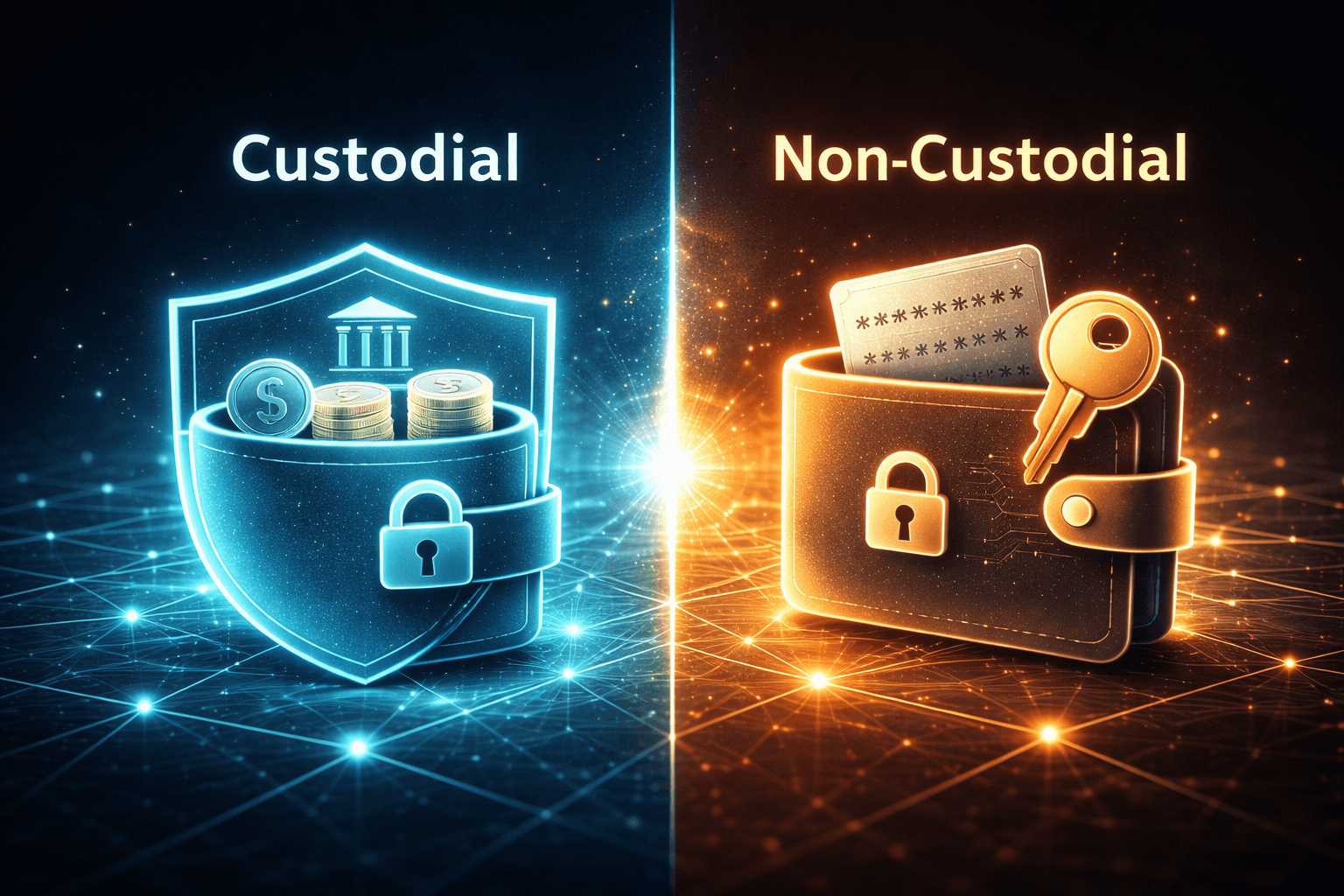
Most multi-chain wallets are non-custodial, meaning users retain full control over their private keys. Security features often include:
Seed phrase backups
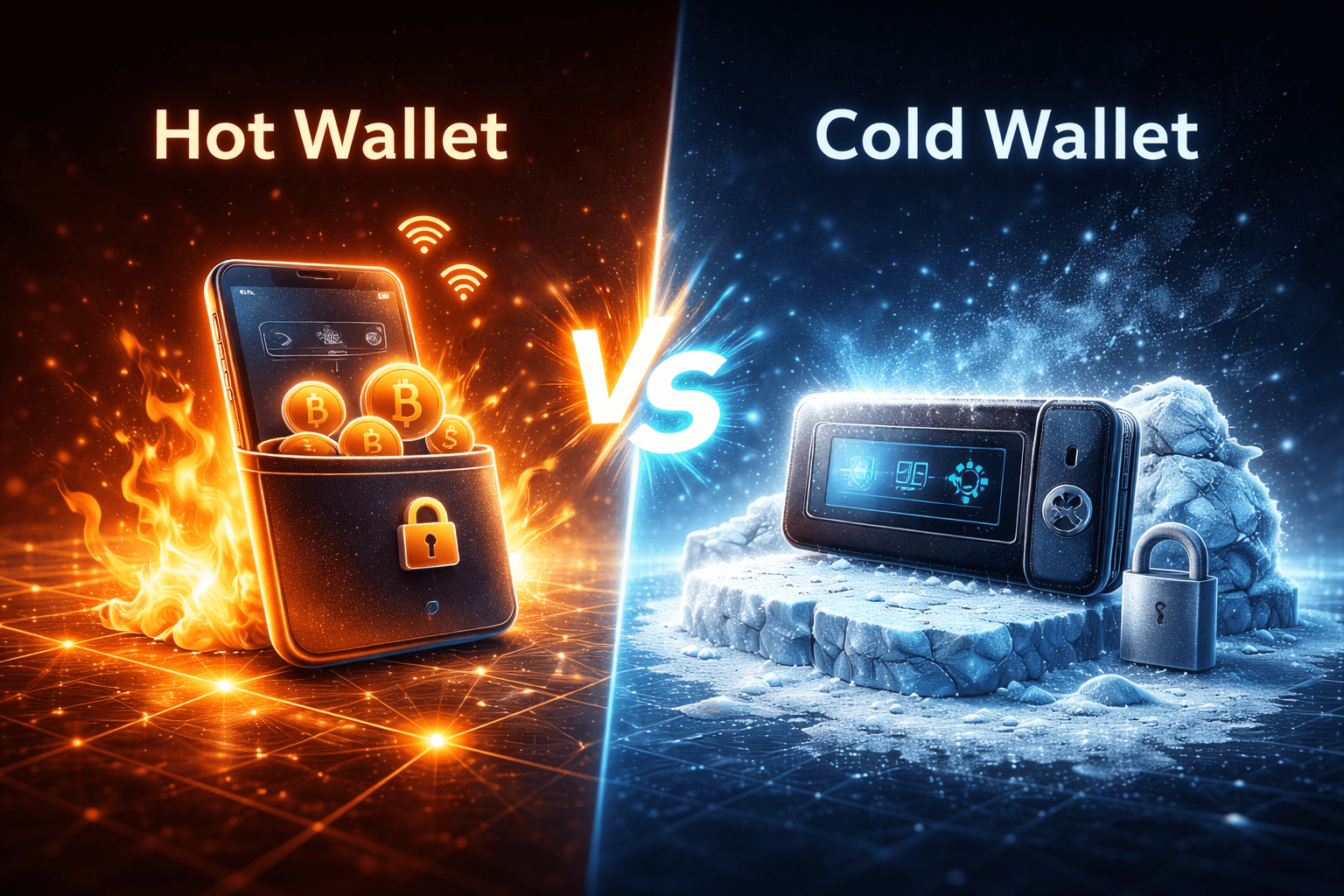
Hardware wallet support
Biometric or PIN protection
Transaction confirmations
Unified User Interface
A single dashboard simplifies asset tracking and reduces confusion when moving between blockchains.
Single-Chain vs Multi-Chain Wallets
Understanding single-chain and multi-chain wallets is key to choosing the right option.
Single-chain wallets are built for one blockchain ecosystem. They can offer deep integration and optimization but lack flexibility.
Multi-chain wallets prioritize versatility, allowing users to operate across ecosystems without switching tools.
In short:
Single-chain wallets are best for users committed to one network
Multi-chain crypto wallets are better for users active across multiple blockchains
Multi-Chain vs Cross-Chain Wallets: What’s the Difference?
These terms are often confused, but they are not the same.
Multi-chain means a wallet supports multiple blockchains independently
Cross-chain refers to technology that enables assets to move between blockchains automatically
A multi-chain wallet may allow users to view and manage assets on many networks, while cross-chain functionality typically involves bridges or swap protocols that transfer assets between chains.
Benefits of Using a Multi-Chain Crypto Wallet
Using a multichain crypto wallet offers several advantages:
One wallet instead of many
Easier portfolio management
Reduced risk from managing multiple seed phrases
Faster access to DeFi and NFT ecosystems
Simplified onboarding to new blockchains
For users who regularly move between networks, these benefits quickly outweigh the learning curve.
Common Use Cases for Multi-Chain Wallets
Managing Tokens Across Multiple Networks
Users holding assets across Ethereum, Solana, Bitcoin, and Layer 2s can manage everything in one place.
NFTs Across Different Blockchains
Collectors can interact with marketplaces on different blockchains without switching wallets.
Multi-Chain DeFi Participation
Yield farming, lending, swapping, and governance become more efficient when all assets are accessible from one wallet.
Exploring and Testing New Blockchains
Developers and early adopters can test emerging networks with minimal setup.
Are Multi-Chain Wallets Safe?
A multi-chain wallet is only as secure as the user’s key management practices.
Security considerations include:
Safely storing seed phrases offline
Verifying network selection before transactions
Downloading wallets only from official sources
Using hardware wallet integration when possible
While supporting more networks increases complexity, reputable multi-chain wallets apply the same cryptographic security principles as single-chain wallets.
How to Choose the Best Multi-Chain Crypto Wallet
When evaluating a multi-chain wallet, consider:
Supported blockchains and tokens
Self-custodial design and key ownership
Security history and audits
Ease of use and performance
dApp, NFT, and DeFi support
Ongoing development and ecosystem compatibility
The best wallet is the one that aligns with how you actually use crypto.
Frequently Asked Questions
What is a multi-chain crypto wallet?
It’s a wallet that allows users to manage assets across multiple blockchains from one interface.
How is a multi-chain wallet different from a single-chain wallet?
Single-chain wallets support one blockchain, while multi-chain wallets support many.
Do multi-chain wallets use one seed phrase?
Most do, allowing one recovery phrase to generate addresses for multiple networks.
Are multi-chain wallets better for beginners?
Yes, especially for users who plan to explore multiple ecosystems.
Can a multi-chain wallet interact with DeFi apps?
Yes, most support dApps, DeFi protocols, and NFT platforms across chains.
Final Thoughts on Multi-Chain Crypto Wallets
As crypto continues to evolve into a truly multi-network ecosystem, multi-chain crypto wallets are becoming essential infrastructure. They reduce complexity, improve usability, and give users full control over assets across blockchains.
Whether you’re managing a diverse portfolio, exploring DeFi, or collecting NFTs, a multi-chain wallet offers the flexibility needed in today’s crypto landscape without sacrificing self-custody or security.



Get updates in your inbox
Get exclusive insights, actionable strategies, and ideas delivered straight to your inbox.